






About Us
Advertise With Us
RSS Feed | Content Syndication
Terms & Conditions
Privacy Policy
Contact Us
BollywoodShaadis.com © 2026, Red Hot Web Gems (I) Pvt Ltd, All Rights Reserved.

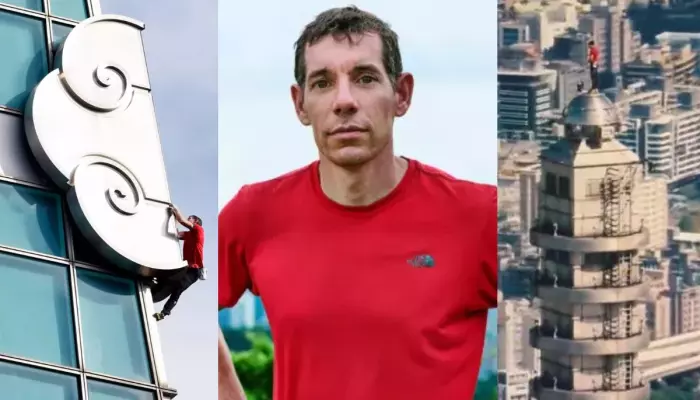
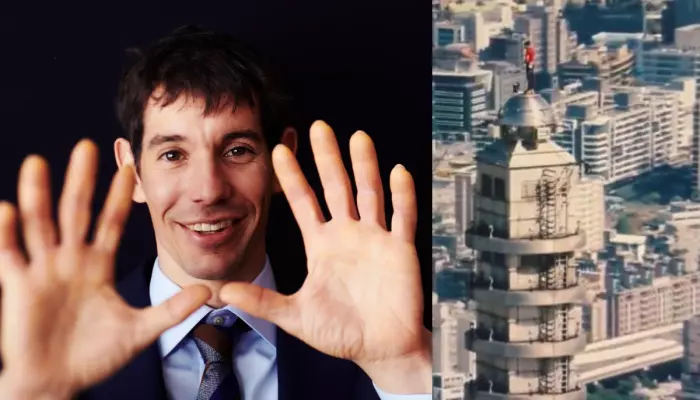
Professional rock climber, Alex Honnold, is currently generating massive global buzz for completing a live free solo ascent of Taipei 101 in Taiwan. On January 25, 2026, Alex scaled the 1,667-foot (508-meter) skyscraper in approximately 1 hour and 31 minutes. The event, titled Skyscraper Live, was broadcast globally on Netflix, marking a major foray for the platform into live sports programming. While others have climbed the tower before, what makes Alex Honnold's achievement unique is that he is the first person to do so in his signature free soloing style, i.e., completely ropeless and without any safety gear.
Upon reaching the very top of the building's spire, Alex Honnold, 40, was heard saying, "Sick! It's windy," before taking photos with his phone. The broadcast of Alex's thrilling venture drew massive global attention, with many viewers expressing both awe and anxiety given the fatal stakes. One of the most talked-about aspects of the building climb was Alex's method of getting down from the top. It was totally different from how he climbed up, which led to mixed reactions from the viewers.
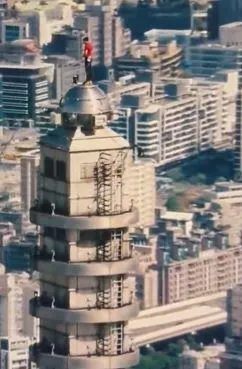
On January 25, 2026, Alex Honnold completed his free solo ascent of Taipei 101. His descent was fundamentally different from his climb. While climbing down, he prioritised his safety and used the necessary equipment. Alex also took a different descent route than the one he took on the way up to Taipei 101. After reaching the top of the building, Alex Honnold put on a harness and rappelled down a rope to a lower staging area. He then used the building's elevator for the remainder of the journey to the ground.
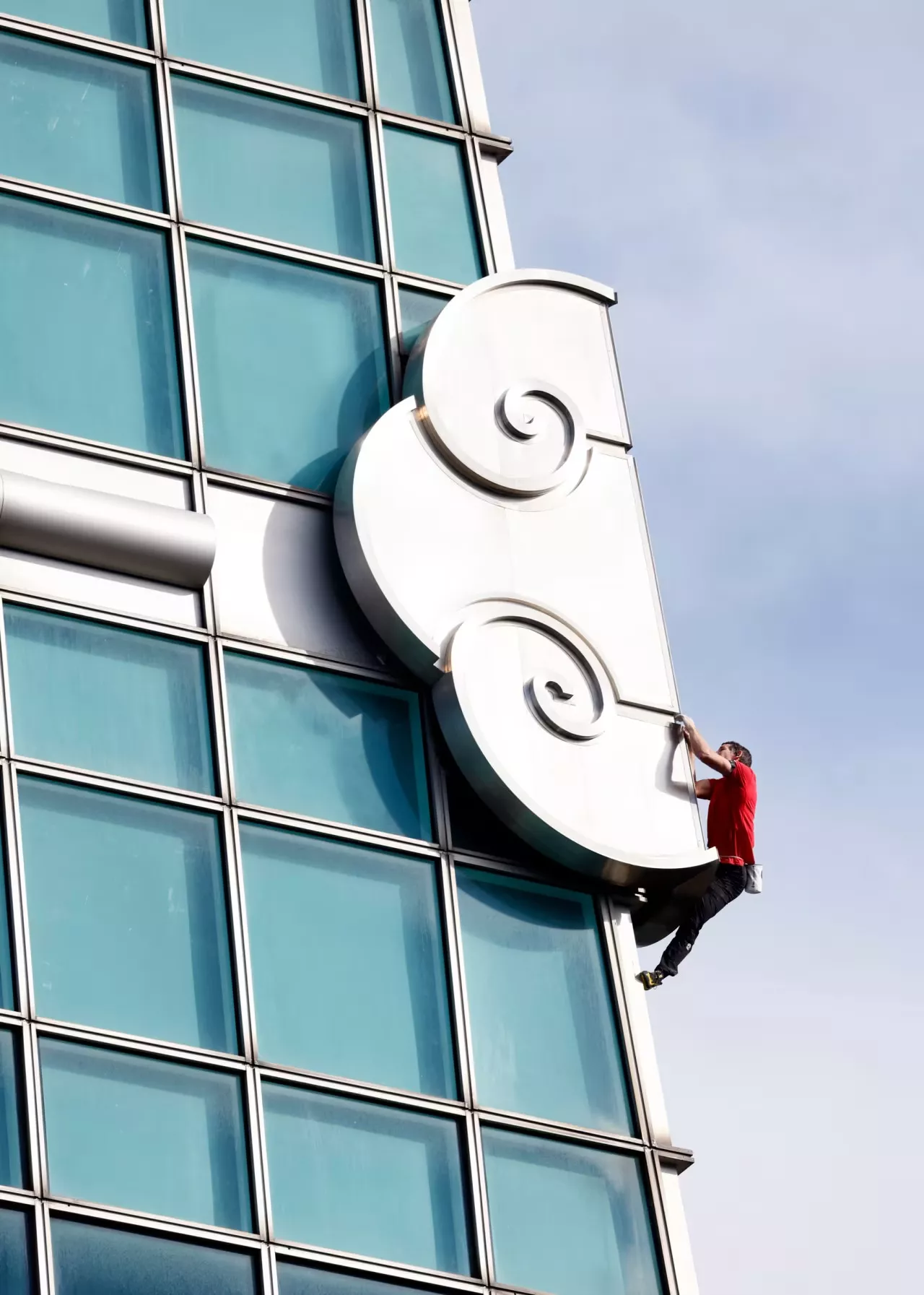
Alex's decision to take the elevator instead of rappelling or downclimbing was based on risk reduction, efficiency and focus on the ascent. He viewed the descent as a separate, unnecessary risk once the primary goal of the climb is achieved. He stated that extending the risk doesn't prove anything and that a clean finish back to the ground is as important as the daring start. The skyscraper is a working building with internal access points. Taking the elevator is a calm, controlled trip that takes minutes, whereas reversing the climb or rappelling would take hours.
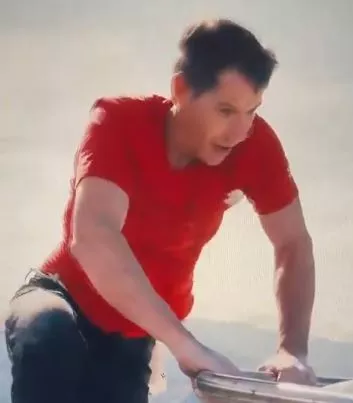
For Alex Honnold, the challenge and spectacle for which he was hired was entirely in the upward climb. Once he reached the summit spire, he simply stepped into a secure interior space to begin the descent. Unlike natural cliffs like El Capitan, where walking off the back is common, urban structures often require specialised rigging for rappelling. Using existing building infrastructure (elevators and stairs) is the most logical path for a solo climber. Some traditional urban climbers, like Dan Goodwin, however, criticised Alex's choice, arguing that rappelling is more true to the spirit of climbing than riding an elevator down.
Continue reading below
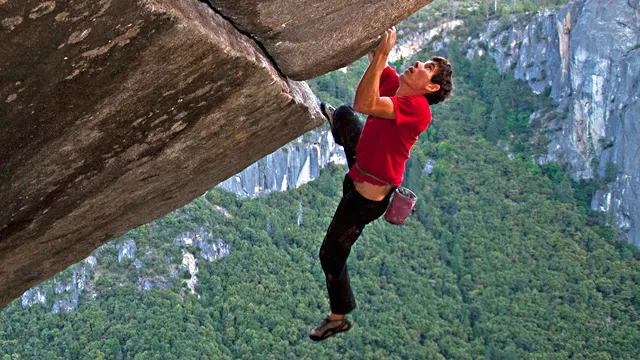
Alex Honnold's path to becoming a professional rock climber (soloing) was driven by early exposure, personal tragedy, and a natural inclination toward solitude. The 40-year-old began climbing in a gym in Sacramento, California, at age 5. By age 10, he was climbing several times a week, and as a teenager, he competed in national and international youth championships. During his first year of college, his father died suddenly of a heart attack. This loss prompted him to drop out and pursue climbing full-time, living in his mother's old minivan as he travelled to various climbing destinations.
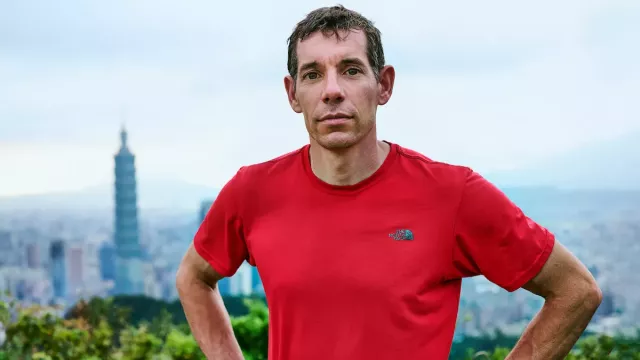
Notably, Alex's shift into free soloing (climbing without ropes) was partly driven by his introversion. He reportedly initially found it too shy to find climbing partners at various crags, so he climbed alone. After years of climbing, Alex Honnold's global recognition came in 2018, during his ropeless ascents of Moonlight Buttress in Zion and the Half Dome in Yosemite. It brought him into the mainstream climbing spotlight, and since then, there's been no turning back.
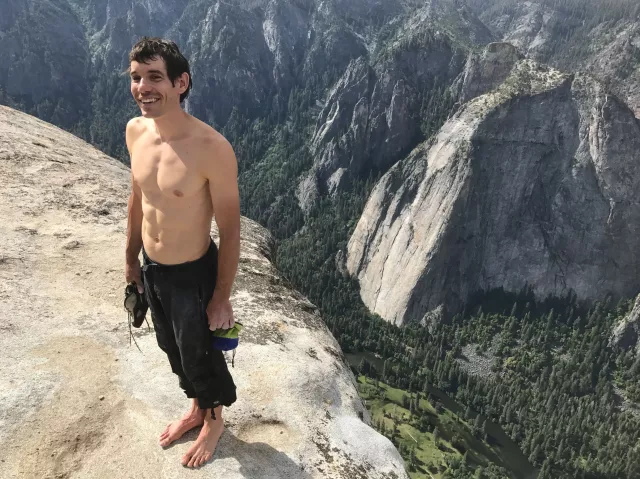
What are your thoughts on Alex Honnold's safe descent after challenging climbing to Taipei 101? Let us know.
Also Read: Viral Clip Of Alex Honnold Climbing Taipei 101: Why He Wasn't Scared? MRI Showed How His Brain Works