



About Us
Advertise With Us
RSS Feed | Content Syndication
Terms & Conditions
Privacy Policy
Contact Us
BollywoodShaadis.com © 2026, Red Hot Web Gems (I) Pvt Ltd, All Rights Reserved.

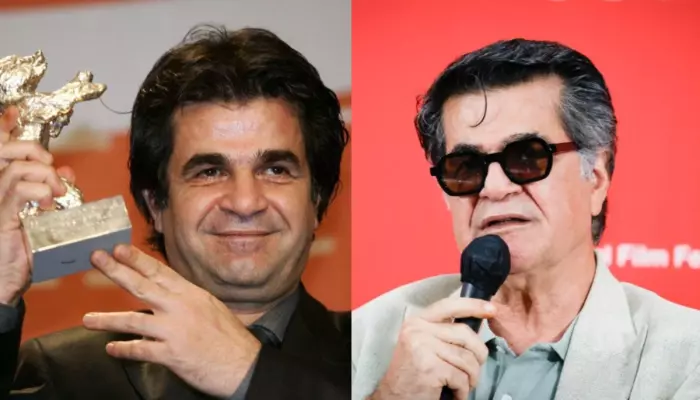
Renowned filmmaker, Jafar Panahi has been capturing all the headlines recently. However, it is not just because of his films, but rather because of the fact that Iran has sentenced him in absentia to one year in prison. Additionally, he has also been put under a travel ban owing to his "propaganda activities" against the country.
Following his sentencing, Jafar's lawyer, Mostafa Nili, briefly discussed the charges against his client but declined to elaborate. He claimed that the d'Or-winning director is "outside Iran right now." However, this is not the first time that he has been imprisoned. If you are curious to learn more about who he is, his career up to the sentencing, and the major reasons for Iran's ban on him, here's what we have found out for you.
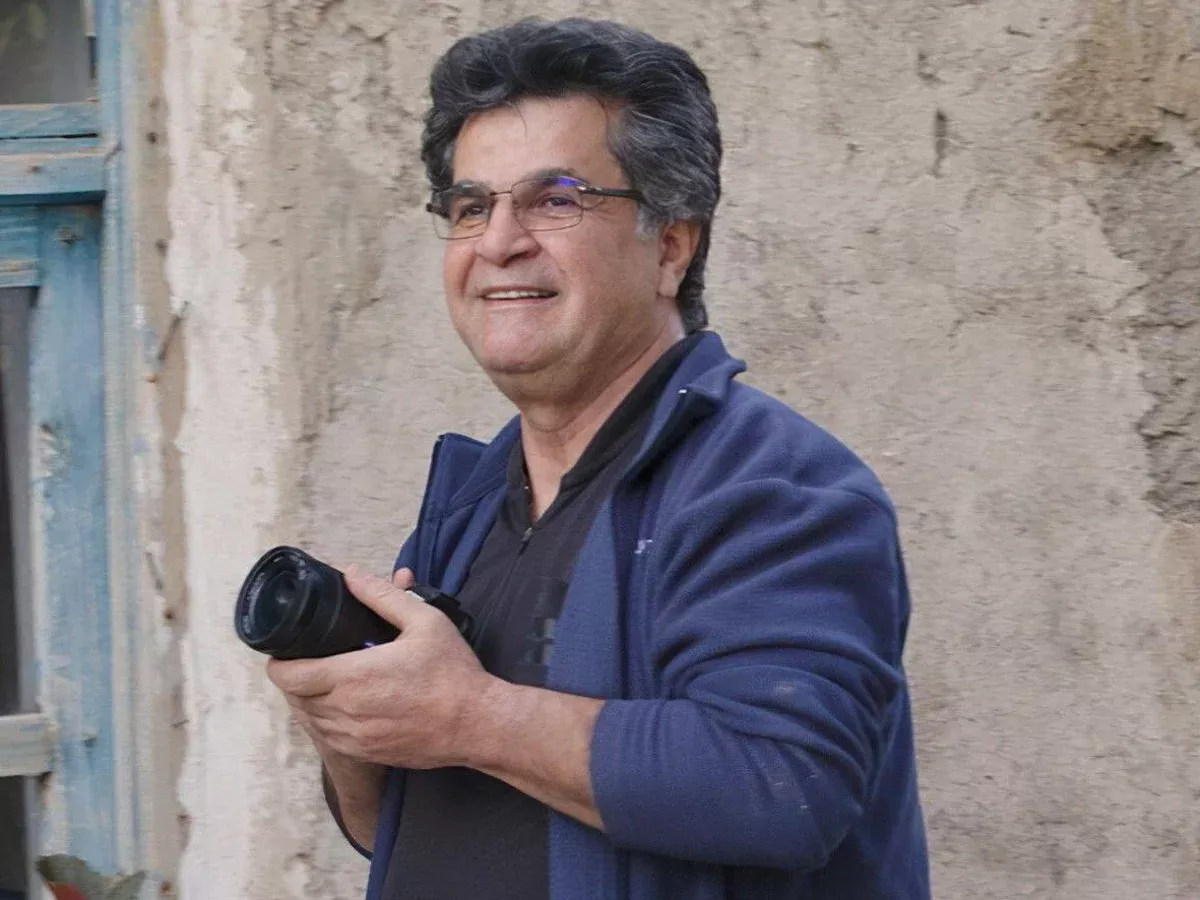
Jafar Panahi is probably one of the world's most renowned filmmakers, especially when it comes to crafting self-reflective works on political, artistic, and personal freedom. He has made his mark in the film industry for the past three decades, irrespective of being banned from filmmaking by the Iranian government since 2010. He was born in 1960 in Mianeh, a city in the Central District of Mianeh County, East Azerbaijan province, Iran. This city serves as the county and district's capital. What most people might not know is that Jafar served in the army during the Iran-Iraq War. It was only after this that he began attending film school in Tehran.
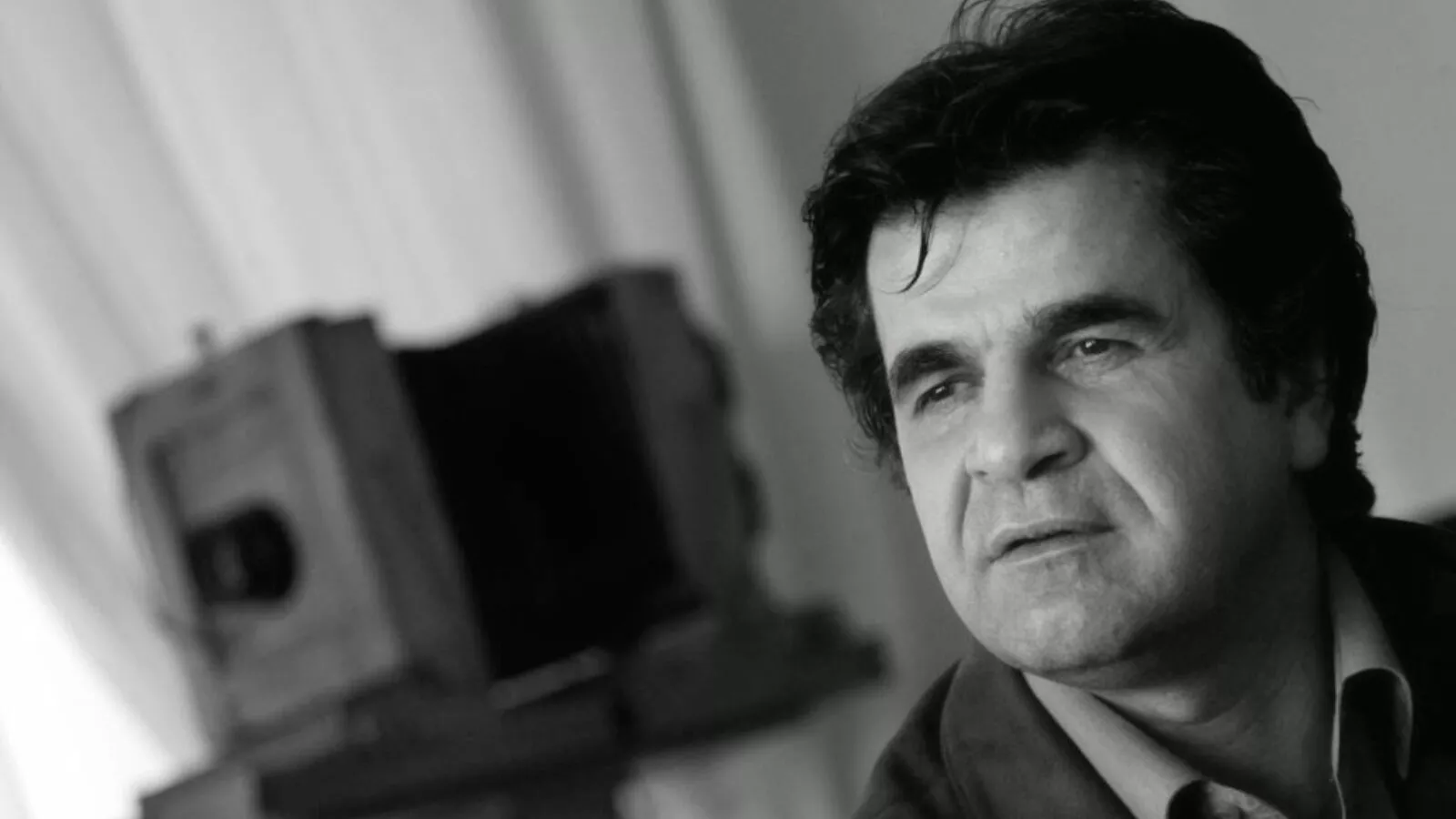
After graduating from film school, Jafar began his career with a series of short films and documentaries for Iranian television. However, a pivotal point in his career came when he approached an internationally acclaimed filmmaker and asked for a job. This filmmaker was none other than Abbas Kiarostami, best known for films such as The Wind Will Carry Us, Like Someone in Love, Taste of Cherry, and Certified Copy, among others. Under Abbas, Jafar worked as an assistant director on Through the Olive Trees (1994). Soon after, Abbas agreed to write the screenplay for Jafar's feature-length debut, The White Balloon, after being impressed with his work. Noting Abbas's important role in his film career, Jafar has described the former as his most important mentor.

If one looks closely, one will find that Abbas's work style has had a significant impact on Jafar. This is because, like his mentor, Jafar prefers to work with non-professional actors and shoot on location. Regarding the film's structure, Jafar prefers an episodic approach. This style is perfect for the simple stories that he draws from everyday life in Iran. It also helps him beautifully capture the repressive structures and social injustices in society. Jafar once claimed that his films are less political and more humanistic, stating:
Continue reading below
“I don’t make political films, I make humanistic films. Political films always take sides; they dictate and try to tell us what’s right and what’s wrong. A humanistic film would never do that. Instead of searching for the roots of a phenomenon, it merely bears witness to it.”
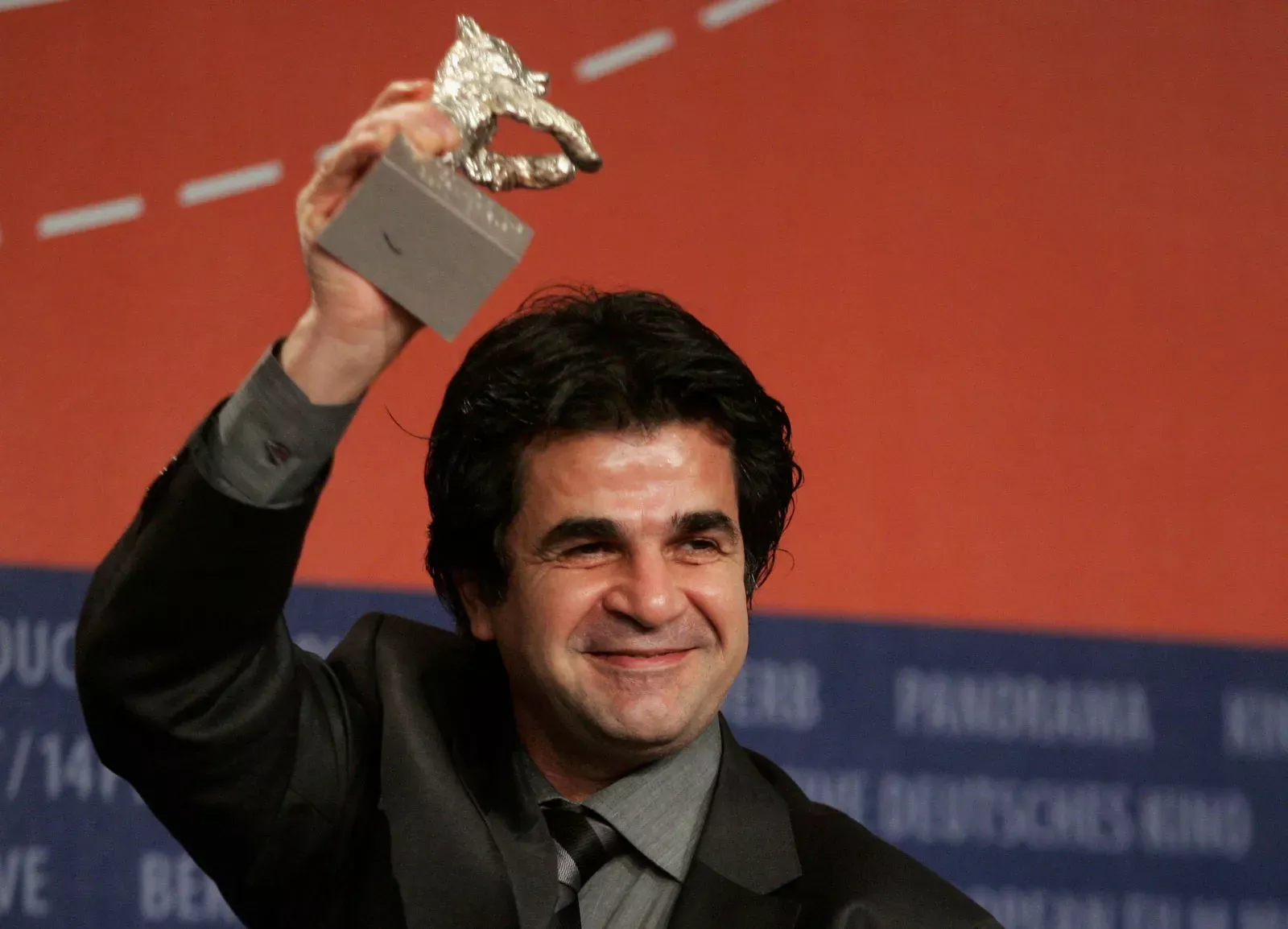
Since his debut, Jafar has won a number of awards for his films. His first film, The White Balloon, was not only showcased in Cannes in 1995, but it also led him to win an award for the best first feature. Along with this, he has also won hoards of prizes at various European film festivals. This year, too, in May 2025, Jafar won the top prize in the Cannes Film Festival for It Was Just An Accident. Following his return to his home country, Iran, after this win, the 65-year-old was given a hero's welcome, the same place that had previously banned his works and also landed him in jail. Now, as the year comes to an end, the Iranian government is still taking issue with the filmmaker's works.
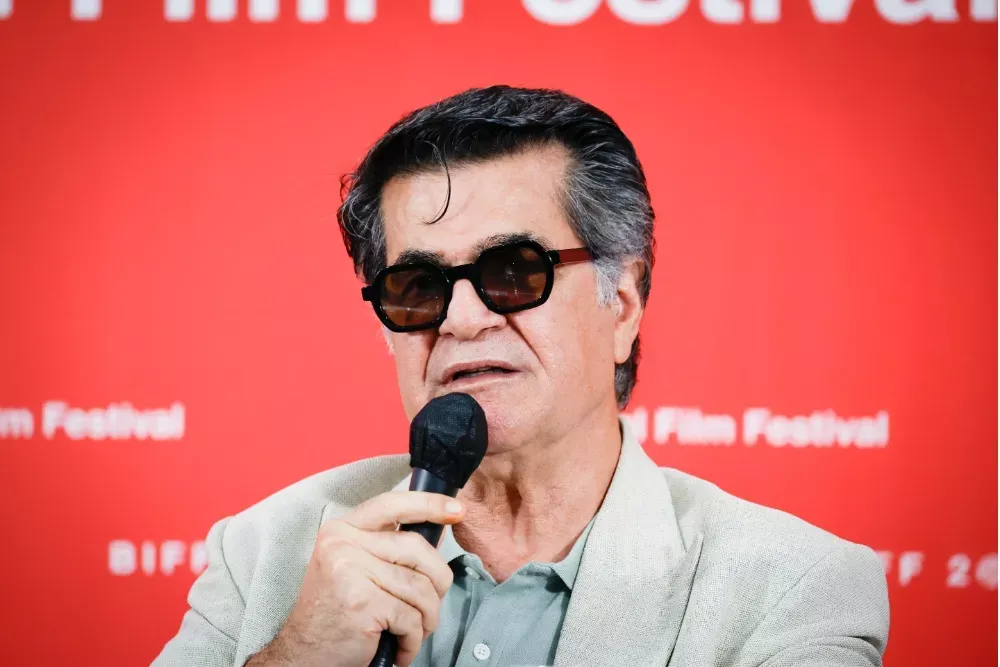
In 2010, the Iranian government banned Jafar from making films. Not only this, but he was also banned from leaving the country following the support he showed for mass anti-government protests in 2009. Along with this, Jafar has also gotten on the government's wrong side by making films that critiqued the state of modern Iran. This also led him to serve jail time for six years and two months before being released on bail.
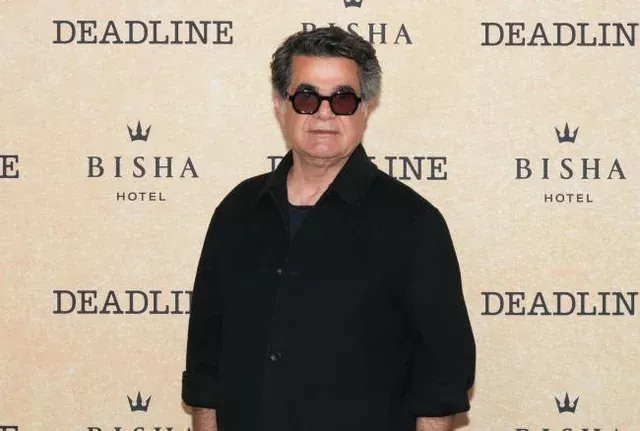
His 20-year ban on filmmaking was not enough to stop Jafar; a year after he was handed it, he made a documentary titled This is Not a Film. What's iconic is that he dispatched the said documentary to the Cannes Festival on a flash drive stashed in a cake. Coming to 2022, he was once again arrested for his connection with protests by a group of filmmakers, leading him to serve nearly seven months in jail.
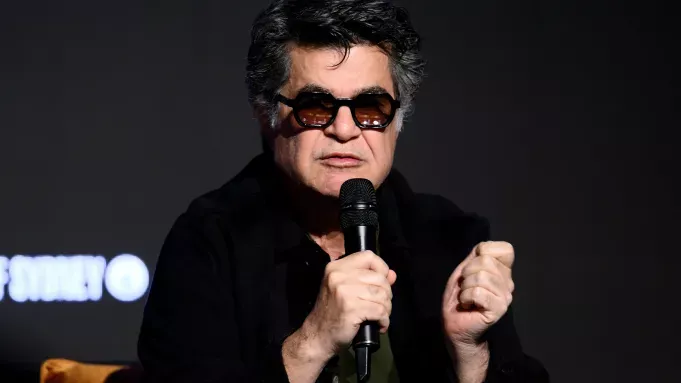
Now, once again, Jafar has found himself in trouble with the Iranian government. His recent sentencing includes a two-year travel ban. He has also been prohibited from participating in political or social groups. This revelation came from his lawyer, Mostafa Nili, who told AFP that they would file an appeal in turn. According to Mostafa, the charges against Jafar were engaging in “propaganda activities” against the state.
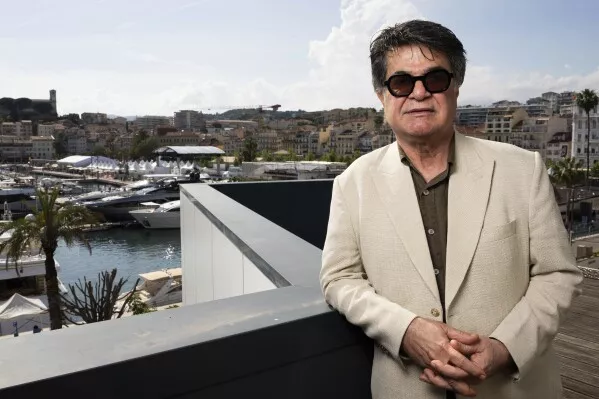
Have you ever watched a film by Jafar Panahi? Let us know.
Also read: Who Was Lee Moon Soo? Former Civil Servant, Survived By Wife Yoon Se Sook, Had Lung Cancer
advertisement
advertisement
advertisement