




About Us
Advertise With Us
RSS Feed | Content Syndication
Terms & Conditions
Privacy Policy
Contact Us
BollywoodShaadis.com © 2026, Red Hot Web Gems (I) Pvt Ltd, All Rights Reserved.

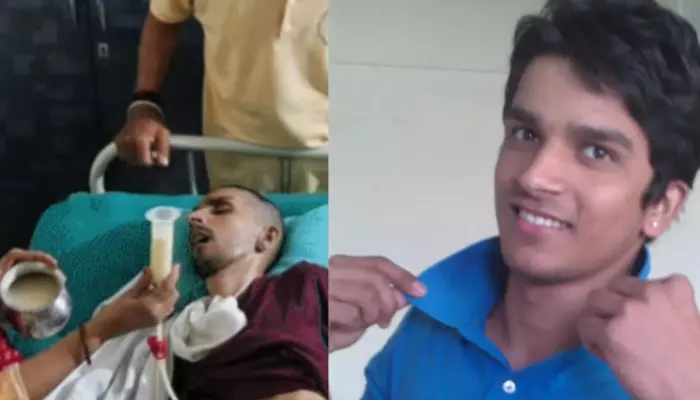
Harish Rana was the first person in India to be granted passive euthanasia by the Supreme Court of India. The young 31-year-old man who was in a state of coma for 13 years breathed his last on March 24, 2026, at the All India Institute of Medical Sciences, Delhi. The young man who was in a vegetative state had been shifted from his Ghaziabad house to the palliative care section of the Dr BR Ambedkar Institute Rotary Cancer Hospital located at AIIMS on March 14, 2026.
According to reports floating on social media, Harish Rana's food and water supply had been cut off for the past 10 days. Reports on social media revealed that Harish's parents were very anxious as his food and water supply were cut off for more than a week. It was on March 23, 2026, when it was 10 days since Harish Rana had been shifted to AIIMS. The doctors had noted that every minute was very crucial for Harish Rana at the AIIMS, and it was ensured that he was given special care, devoid of suffering during that time. Harish's condition was being closely monitored, and doctors had induced medications to soothe his brain.
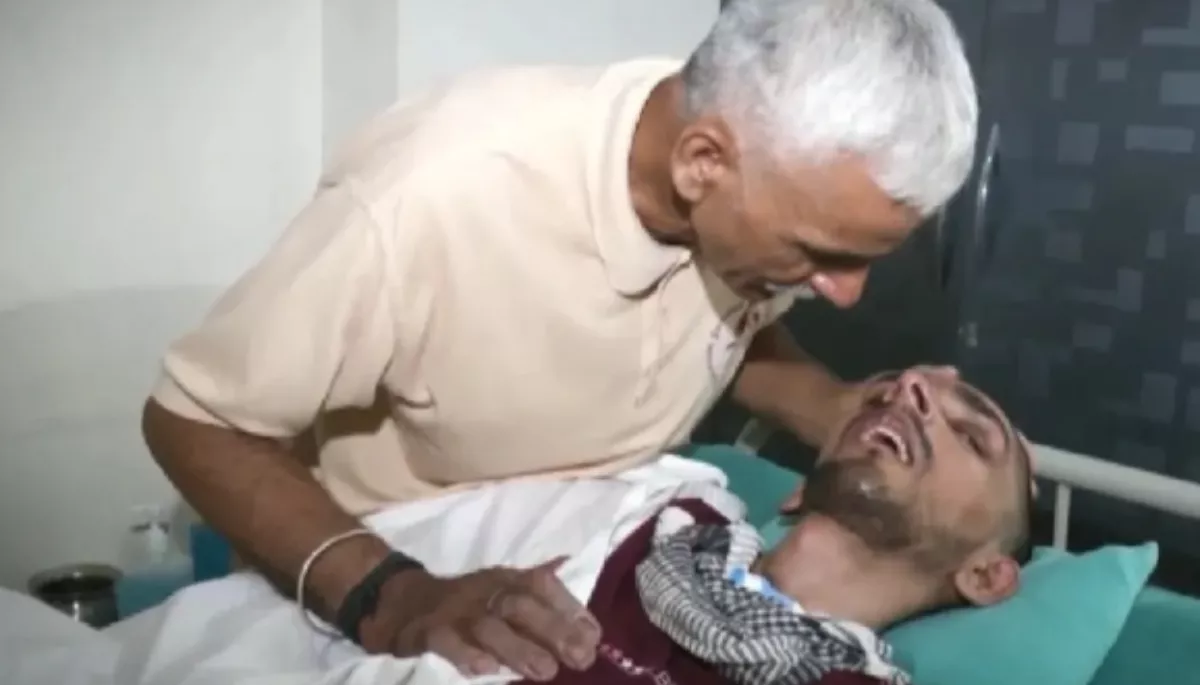
Well, Harish Rana's family has not yet given a statement related to his demise, but as reported by PTI, he has breathed his last. The Supreme Court Of India on March 11, 2026 had granted passive euthanasia for Harish. He was a B.Tech student at the Panjab University who had a fall from the fourth-floor balcony of his PG accommodation back in 2013. Harish suffered irreversible injuries to his brain that left him in a comatose and vegetative state. For the unversed, Passive Euthanasia is an intentional act of letting a critical patient die by withholding the life support or the treatment that is given to keep him or her alive. Well, in the case of Harish Rana, his nutritional support was gradually withdrawn after he was admitted to the hospital.
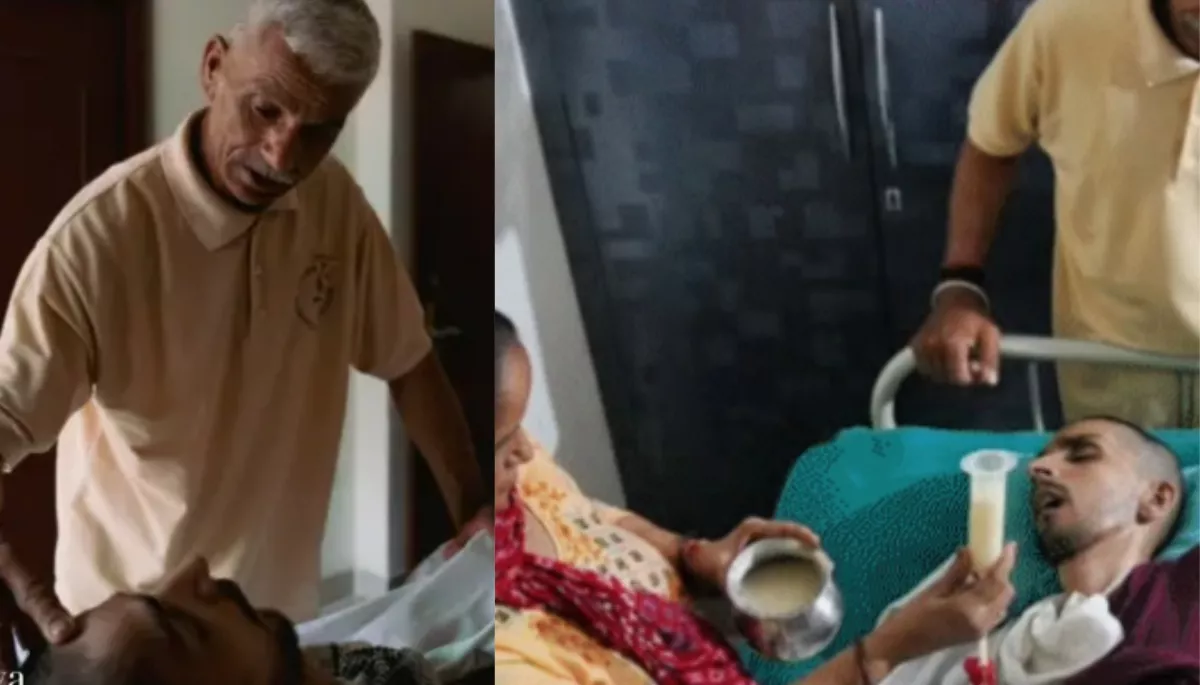
The bench of Justices J B Pardiwala and K V Viswanathan had allowed passive euthanasia for Harish Rana. The court noted that Harish was once a young, bright boy, and a fall from the fourth floor of his accommodation left him with severe paralysis and a persistent vegetative state. The bench said that continuation of treatment merely prolongs his biological existence without any therapeutic improvement. The Supreme Court noted:
"If the medical treatment is not making any difference, there is no point in continuing with such treatment and making Harish suffer for no good reason. When the primary and secondary medical boards have certified withdrawal of life support, there is no need for the court's intervention."
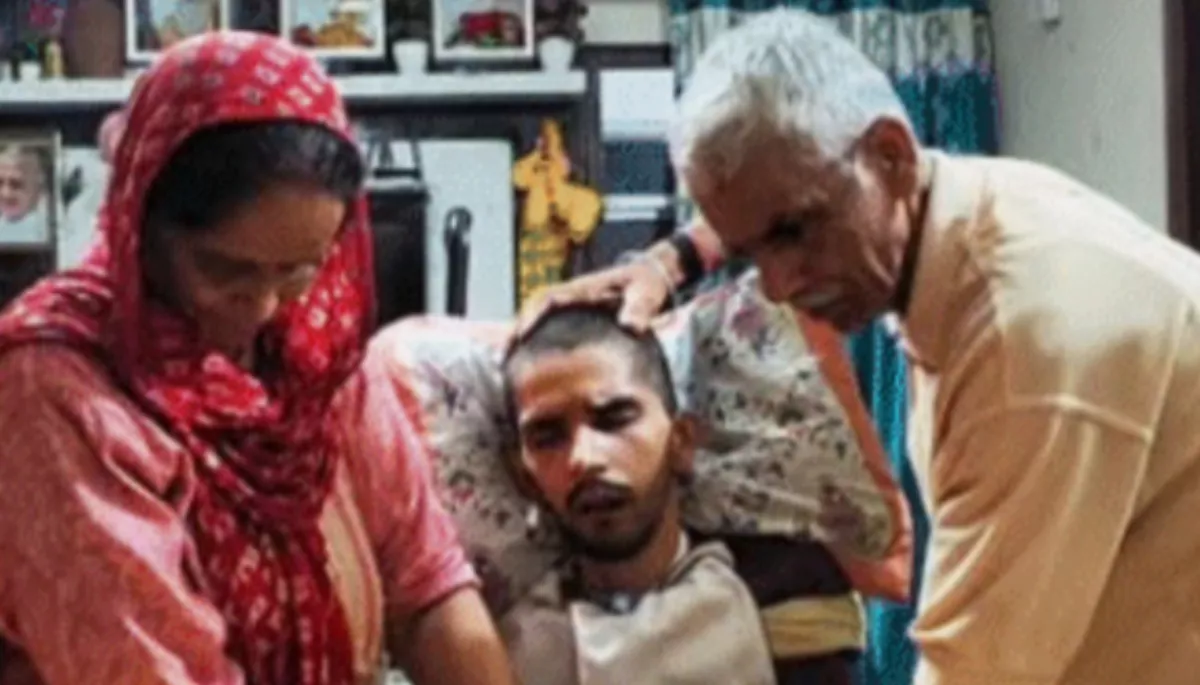
The Supreme Court of India emphasised the fact that life support needed to be withdrawn in a humane and dignified manner. The court had directed AIIMS to implement a tailored palliative care plan. Justice Pardhiwala also noted that every individual had the right to die with dignity and that Harish's family never left his life and loved the boy, took care of him even in the darkest times.
Continue reading below
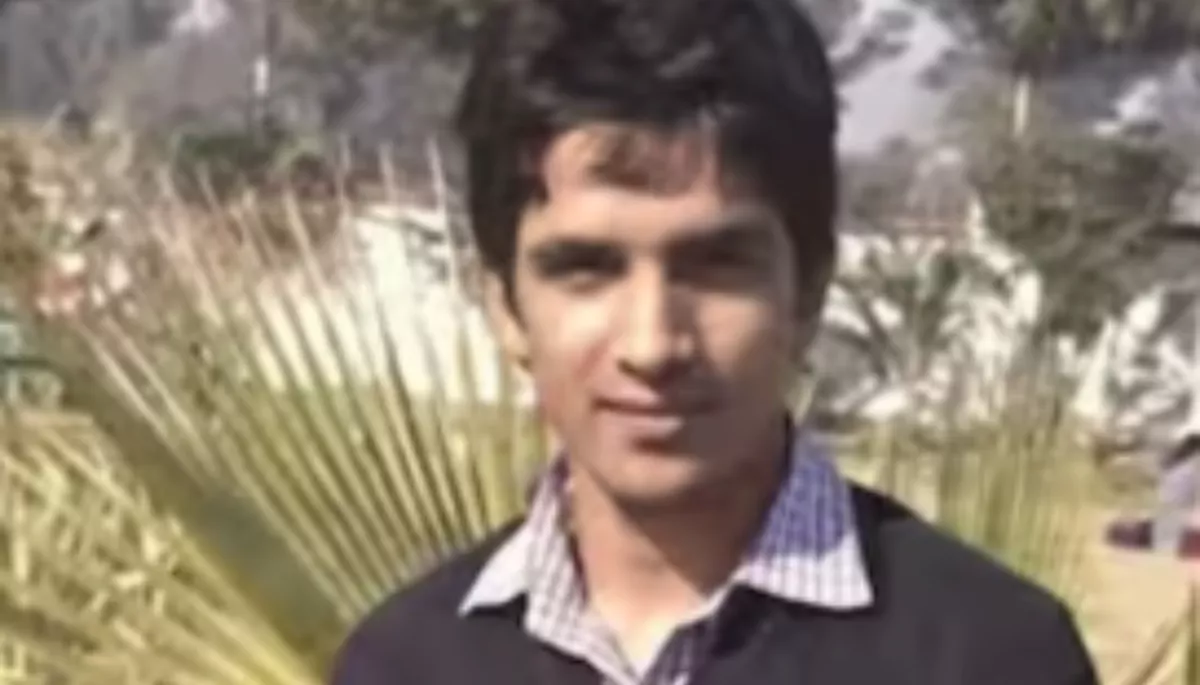
The court also appreciated Harish Rana's parents' dedication to the young man, whose living conditions had become pathetic. Reportedly, a multidisciplinary team that had Dr Seema Mishra, head of anaesthesia and palliative medicine, was given the task of implementing the process of passive euthanasia. The team also included neurosurgeons, oncologists, palliative medicine doctors, and psychiatrists who assessed the complexity and sensitivity of the full procedure.
Rest in peace, Harish Rana.
Also Read: 'Dhurandhar: 2', Yalina's Role Is Said To Be Inspired From A Politician's Daughter, Did She Remarry?
advertisement
advertisement
advertisement